Size Chart
×
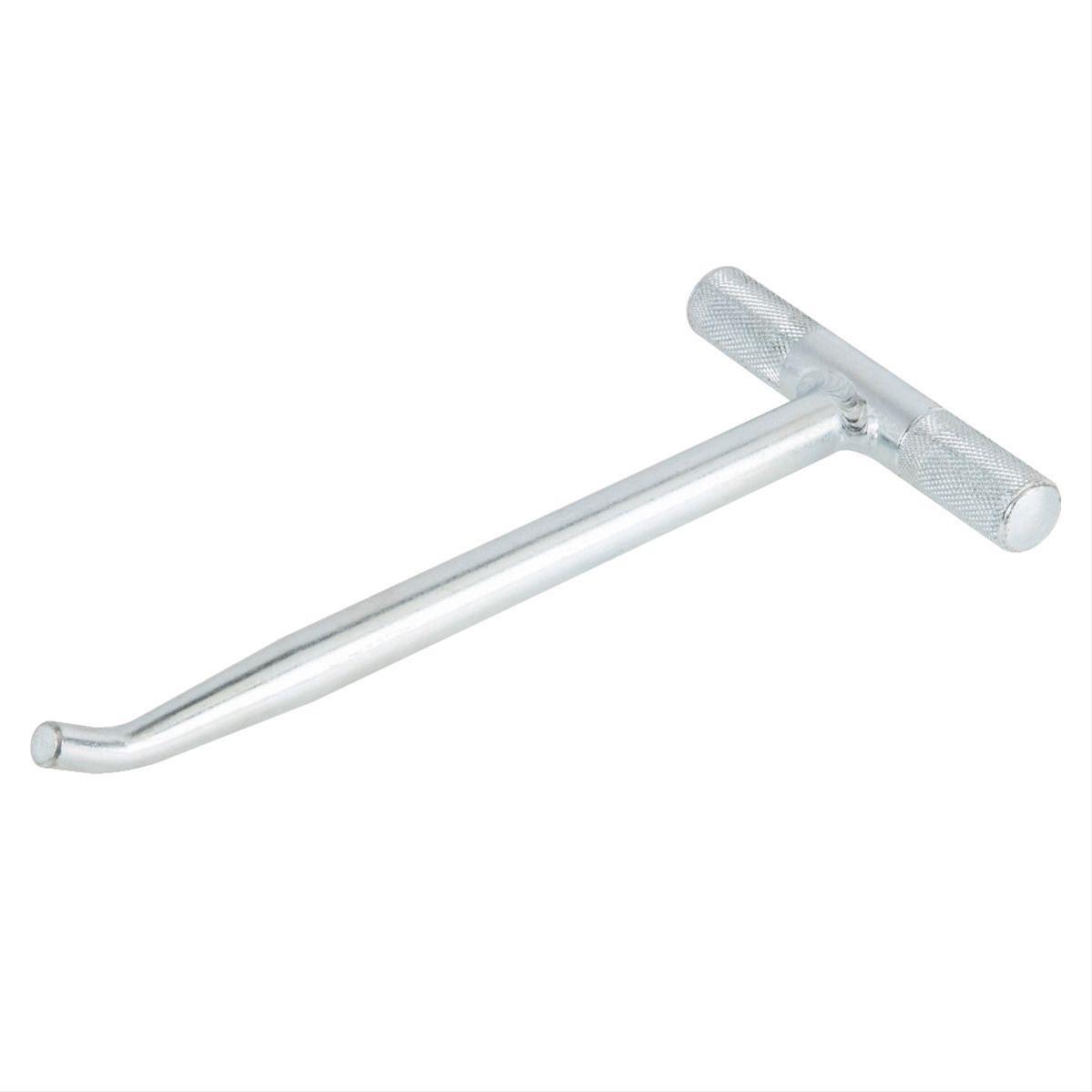
The ALTA Tensioner Stop (Non-Adjustable) is engineered for R53 supercharged MINI Cooper engines to prevent costly damage to the tensioner and crank pulley during serpentine belt failure. This innovative hook-style design limits the travel of the tensioner arm to the exact OEM stop point, ensuring reliable protection without adjustability complications. Crafted from durable materials for zero-failure performance, it installs quickly by simply jacking up the motor slightly no need to remove the tensioner assembly saving time and labor while providing peace of mind for track, street, or daily driving.
California Proposition 65: Warning for potential cancer and reproductive harm.
| Year | Make | Model | Submodel |
|---|---|---|---|
| 2002–2006 | Mini | Cooper | S (R53) |
| 2002–2006 | Mini | Cooper | S JCW (R53) |
| 2002–2006 | Mini | Cooper | S Automatic (R53) |
| 2002–2008 | Mini | Cooper Convertible | S (R52) |
| 2002–2008 | Mini | Cooper Convertible | S JCW (R52) |
Forced induction systems encompass every method of pushing air into an engine at greater than atmospheric pressure, including turbochargers driven by exhaust energy, superchargers driven mechanically by the crankshaft, and prochargers using centrifugal designs belt-driven at higher ratios than traditional roots-type blowers, with each approach delivering a significant increase in air mass per cylinder fill that allows proportionally more fuel to be burned and more power to be produced without increasing engine displacement. Adding 10 PSI of boost pressure to a naturally aspirated engine can increase power output by 50 to 70 percent depending on the engine's breathing efficiency and the quality of the supporting hardware, making forced induction the most power-dense modification available relative to cost and complexity. This collection covers complete forced induction systems, turbocharger and supercharger hardware, intercoolers, blow-off valves, wastegates, and supporting component...
View Forced Induction Products
Supercharger belts are the drive belts that transfer power from the engine crankshaft to the supercharger rotor assembly. Maintaining a properly tensioned, unworn supercharger belt is critical to consistent boost pressure delivery and supercharger reliability across the full RPM range. Popular Supercharger Belt Options Popular supercharger belt replacements include OEM-spec replacement drive belts for factory supercharged vehicles, upgraded belt kits with improved compounds for higher power applications, idler pulley and tensioner upgrade kits to maintain consistent belt tension under load, and underdrive or overdrive pulley belt relocation kits for boost pressure tuning. How often should a supercharger belt be replaced? Supercharger drive belts on factory supercharged vehicles should be inspected at every service interval and replaced according to the manufacturer's maintenance schedule, typically every 30,000 to 60,000 miles depending on the vehicle and supercharger type. Vehicles...
View Supercharger Belt Products
Superchargers and supercharger components cover the complete forced induction drivetrain from the belt-driven compressor unit through the intercooling system, drive pulleys, and intake manifold components. Quality supercharger components maintain reliable boost delivery and maximize the performance potential of supercharged engines. Popular Supercharger Components Popular supercharger components include replacement and upgrade drive pulleys, overdrive nose pulley kits, supercharger drive belts and belt kits, heat exchanger and liquid-to-air intercooler upgrades for positive displacement superchargers, bypass valve upgrades, and rotor assembly rebuild kits for high-mileage factory superchargers. Intake manifold spacers and porting services are also popular on popular Roots-type blower platforms. When should supercharger components be serviced? Supercharger drive belts should be inspected at regular service intervals and replaced when wear, cracking, or glazing is observed. Supercharg...
View Superchargers & Components Products