


Shop automotive engine parts, cooling-system components, oil-system upgrades, ignition parts, pulleys, sensors, gaskets, fuel components, and engine-bay accessories at Black Ops Auto Works. This collection covers vehicle-specific replacement parts, performance upgrades, supporting hardware, and universal components for street cars, trucks, SUVs, Jeeps, diesel vehicles, off-road builds, and motorsport applications.
Engine Parts and Performance Components
The Engine collection brings together components used throughout the engine, lubrication system, cooling system, ignition system, fuel system, crankcase ventilation, accessory drive, and engine compartment. Available products range from replacement sensors and gaskets to rotating-assembly parts, performance cooling systems, supercharger pulleys, catch cans, cylinder heads, camshafts, intake manifolds, and engine-bay dress-up components.
Engine compatibility cannot be determined from vehicle model alone. Confirm the exact year, make, model, engine code, displacement, induction system, drivetrain, production date, and installed modifications before ordering.
Internal Engine Components
Internal engine parts include pistons, connecting rods, bearings, camshafts, crankshafts, sleeves, rod bolts, cam gears, cam seals, cylinder heads, valvetrain components, and related hardware. These components must be matched according to the complete engine build rather than vehicle fitment alone.
Verify bore size, stroke, compression target, pin diameter, bearing dimensions, journal size, fastener type, cylinder-head configuration, valve clearance, and machining requirements. Internal engine assembly requires accurate measurement, correct clearances, calibrated tools, and manufacturer-specified torque procedures.
Oil Catch Cans and PCV Systems
Oil catch cans and air-oil separators are installed within compatible crankcase-ventilation systems to separate part of the oil mist carried through the PCV airflow. This collection includes direct-fit and universal systems from Billet Technology, MightyMouse Solutions, CORSA Performance, Mishimoto, J&L, and other manufacturers.
Choose a kit according to the engine, induction system, PCV configuration, expected airflow, hose size, fitting type, and mounting location. Mild, high-flow, vented, closed, and boost-compatible systems are not interchangeable. Follow the manufacturer’s routing instructions and inspect the can regularly until an appropriate service interval is established for the vehicle.
Supercharger, Crank, and Accessory Pulleys
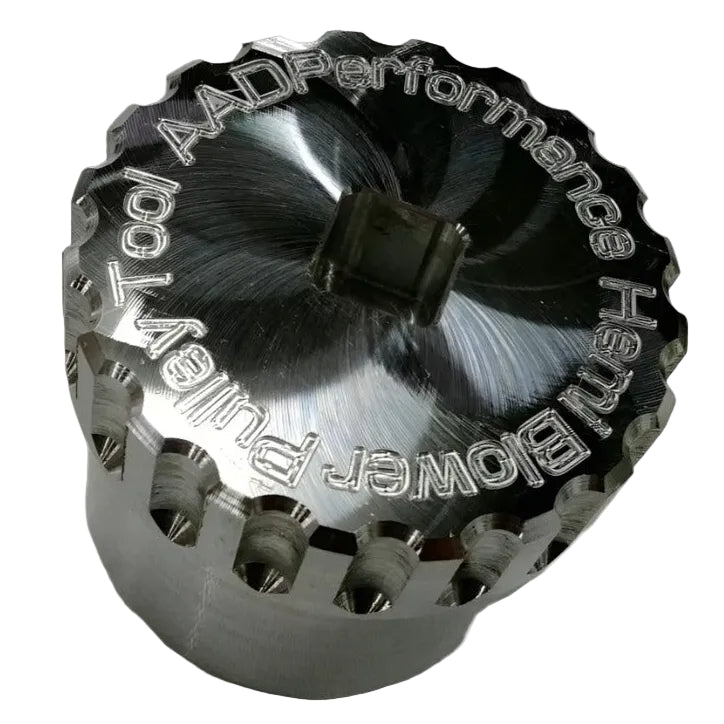
Pulley products include supercharger pulleys, crank pulleys, underdrive pulleys, idler pulleys, tensioner pulleys, pulley hubs, belts, and related hardware. Changing pulley diameter can affect supercharger speed, boost, belt speed, accessory operation, and calibration requirements.
Confirm pulley diameter, belt width, rib count, hub pattern, shaft compatibility, belt length, tensioner range, and required installation tools. A supercharger pulley change may require supporting fuel-system upgrades, colder spark plugs, revised engine calibration, and verification of safe operating parameters. Never select a pulley solely by advertised boost or horsepower.
Radiators, Thermostats, and Engine Cooling
Cooling products include radiators, thermostats, thermostat housings, coolant reservoirs, expansion tanks, water pumps, fans, shrouds, hoses, bypass kits, oil coolers, and related fittings. These components work as a complete system to transfer heat away from the engine and maintain the intended operating range.
Thermostat opening temperature, radiator capacity, fan control, coolant mixture, pressure cap, water-pump operation, and proper bleeding all affect cooling performance. A lower-temperature thermostat cannot correct a clogged radiator, damaged water pump, trapped air, failed fan, leaking head gasket, or inadequate system capacity.
Never open a hot or pressurized cooling system. Allow the vehicle to cool completely and follow the vehicle and component manufacturer’s filling and bleeding procedures.
Oil Coolers and Lubrication Components
Oil-system products include oil coolers, thermostatic adapters, pumps, pickup tubes, pans, filters, lines, separators, dipsticks, drain components, and motor oils. Choose these parts according to engine architecture, required oil pressure, temperature range, pan depth, chassis clearance, filter thread, fitting size, and intended use.
An oil cooler must be sized and installed so the engine can still reach its intended oil temperature. Confirm whether the system uses a thermostat and verify hose routing, airflow, fittings, and clearance from exhaust components and moving parts.
Ignition, Sensors, and Engine Electronics
This collection includes ignition coils, distributors, spark-related components, glow plugs, controllers, grounding kits, starters, alternators, and engine sensors. Electrical components may vary by connector, output, calibration, production date, engine management system, and vehicle option package.
Match the original equipment number or complete manufacturer cross-reference whenever possible. A diagnostic trouble code does not always prove that the named sensor has failed. Inspect wiring, connectors, grounds, power supply, vacuum leaks, and related mechanical systems before replacing parts.
Fuel Delivery and Flex-Fuel Components
Fuel-system products include pumps, carburetors, rails, distribution blocks, fittings, sensors, and flex-fuel components. Compatibility depends on fuel type, flow requirement, pressure, electrical demand, return or returnless configuration, injector capacity, hose material, and engine calibration.
Fuel-system changes should be planned as a complete system. Confirm compatibility with gasoline, ethanol blends, diesel fuel, or other intended fuels. Flex-fuel sensors and conversion kits require correct plumbing, electrical integration, and compatible engine-management calibration.
Engine Covers and Engine-Bay Accessories
Engine-bay accessories include valve covers, cam covers, fuse-box covers, radiator covers, fan shrouds, fluid-cap covers, dipsticks, badges, and carbon-fiber or billet dress-up components. These products can provide a finished appearance while retaining access to service points and surrounding equipment.
Check hood clearance, heat exposure, mounting points, fluid identification, and compatibility with aftermarket intakes, superchargers, catch cans, reservoirs, strut braces, and cooling components.
How to Choose the Correct Engine Part
- Confirm the exact year, make, model, engine, trim, and drivetrain.
- Identify the engine code and relevant production date.
- Match the complete manufacturer part number.
- Check naturally aspirated, turbocharged, or supercharged compatibility.
- Review all dimensions, connector types, fittings, and package contents.
- Confirm compatibility with existing modifications and engine calibration.
- Determine whether machining, tuning, or special installation tools are required.
- Use new gaskets, seals, fasteners, and fluids when specified.
- Follow manufacturer torque values and installation procedures.
- Inspect for leaks, interference, and correct operation after installation.
Frequently Asked Questions
How do I confirm an engine part fits my vehicle?
Match the year, make, model, engine code, displacement, induction system, drivetrain, production details, and complete manufacturer part number. Review every application note before ordering.
Does an oil catch can add horsepower?
A catch can is primarily a crankcase-ventilation component rather than a direct power upgrade. Its operation and required capacity depend on the engine, PCV design, boost level, and condition of the engine.
Does a smaller supercharger pulley require tuning?
Pulley changes can alter supercharger speed and boost. Many applications require revised calibration and supporting modifications. Follow the requirements for the exact pulley, engine, fuel, and supercharger combination.
Will a lower-temperature thermostat prevent overheating?
Not by itself. The radiator, water pump, fans, coolant, pressure control, airflow, engine condition, and system bleeding must all work correctly.
Should engine parts be professionally installed?
Internal engine components, fuel-system parts, pulley changes, calibration-dependent upgrades, and pressurized cooling or oil systems should be installed by a qualified technician when the required tools and experience are unavailable.
Shop Engine Parts at Black Ops Auto Works
Browse the complete Engine collection, shop focused oil catch cans, or explore engine cooling components. Verify the exact application, specifications, package contents, installation requirements, and calibration needs on the individual product page before ordering.
Recently Viewed Products
Featured Brands
• Black Ops Auto Works: Hoods & Carbon Fiber • Anderson Composites Carbon Fiber • ADRO Carbon Fiber • APR Performance Carbon Fiber • COBB: Turning & Performance Parts • JXB Performance Driveshafts • Legmaker (LMI) Intakes • MightyMouse Catch Cans • Rotora Performance Brakes • Seibon Carbon Fiber: Hoods, Fenders & Body Kits • Silver's NEOMAX Coilovers • Shop All Brands...Featured Cars & Trucks
• Jeep Grand Cherokee Parts & Accessories • Jeep Grand Cherokee Trackhawk Parts & Accessories • Dodge Durango Parts & Accessories • Dodge Charger Parts & Accessories • Dodge Charger SRT Hellcat Parts & Accessories • Dodge Challenger Parts & Accessories • Dodge Challenger SRT Hellcat Parts & Accessories • RAM TRX Parts & Accessories • Chevrolet Camaro Parts & Accessories • Chevrolet Corvette Parts & Accessories • Cadillac CT5 Parts & Accessories • Shop By Vehicle...Featured Categories
• Carbon Fiber Parts & Accessories • Custom Hoods & Components • Cold Air Intakes • Exterior Trim • Exterior Styling - Body Kits, Wings & Spoilers • Lowering Springs • Oil Catch Cans • Spoilers & Wings • Sway Bars • Sway Bar Endlinks • Wheels & Tires • Shop All Parts & Accessories...
Military & First Responder Discount Program
Black Ops Auto Works proudly honors active duty military, veterans, National Guard, reserves, police officers, firefighters, and EMTs with an exclusive 5% discount on all performance parts and carbon fiber upgrades. Verify instantly and start saving today.
Learn More & Apply