

Cadillac CTS-V Parts & Performance Upgrades

Shop Cadillac CTS-V performance parts, replacement components, and vehicle-specific accessories at Black Ops Auto Works. This collection is organized for first-generation, second-generation, and third-generation CTS-V builds, including sedan, coupe, and wagon applications where supported. Compare every part by model year, body style, engine, transmission, brake package, suspension configuration, and manufacturer part number.
Cadillac CTS-V Performance Parts and Accessories
The Cadillac CTS-V combines rear-wheel-drive chassis engineering with GM V8 power and performance-focused braking, suspension, and cooling systems. The three CTS-V generations use different engines, transmissions, body platforms, electronics, and suspension designs. Parts should never be selected using the CTS-V name alone.
Potential upgrades include cold air intakes, exhaust systems, supercharger components, pulleys, heat exchangers, catch cans, cooling parts, brake pads, rotors, suspension systems, wheels, tires, carbon-fiber components, engine-bay accessories, and drivetrain hardware.
First-Generation Cadillac CTS-V Parts
The first-generation CTS-V was produced for the 2004 through 2007 model years as a performance sedan with a six-speed manual transmission. Earlier applications used the LS6 V8 while later models used the LS2. Engine, exhaust, clutch, flywheel, differential, suspension, and electronic compatibility can change between those versions.
Confirm whether a product is designed for the LS6 or LS2 engine and verify the transmission, differential, mounting points, sensor locations, and factory exhaust configuration. A part listed for a later LS-powered Cadillac or Chevrolet should not be assumed to fit the first-generation CTS-V.
Second-Generation Cadillac CTS-V Parts
The second-generation CTS-V uses the supercharged 6.2-liter LSA V8 and was offered in sedan, coupe, and wagon body styles. These vehicles are commonly called CTS-V2 or V2 models within the aftermarket. Body style matters because exhaust routing, exterior panels, cargo-area components, suspension packaging, and some chassis parts can differ.
LSA performance builds may include intake systems, supercharger pulleys, belt-drive components, heat exchangers, intercooler cooling upgrades, headers, exhaust systems, catch cans, fuel-system parts, spark plugs, calibration support, and drivetrain components. Increasing supercharger speed or engine airflow can require coordinated fuel, cooling, ignition, and calibration changes.
Third-Generation Cadillac CTS-V Parts
The 2016 through 2019 CTS-V sedan uses the supercharged 6.2-liter LT4 V8 and an eight-speed automatic transmission. This generation is commonly described as CTS-V3 or V3. It uses different engine-management, fuel, suspension, braking, cooling, and body systems from the earlier LSA-powered CTS-V.
Confirm LT4 compatibility when selecting intakes, pulleys, throttle bodies, catch cans, cooling components, exhaust parts, and tuning-related hardware. Parts for the Chevrolet Camaro ZL1 or Corvette Z06 may share an engine family but are not automatically compatible with the CTS-V chassis.
Air Intake and Exhaust Upgrades
Vehicle-specific intake systems can change filter location, inlet diameter, airflow characteristics, and induction sound. Exhaust options may include headers, connection pipes, catalytic sections, X-pipes, axle-back systems, cat-back systems, tips, and supporting hardware.
Check sensor placement, tube diameter, emissions status, exhaust-valve compatibility, body style, transmission clearance, and tuning requirements. Manufacturer-published output gains apply only to the tested vehicle configuration and should not be treated as universal results.
Supercharger and Cooling Components
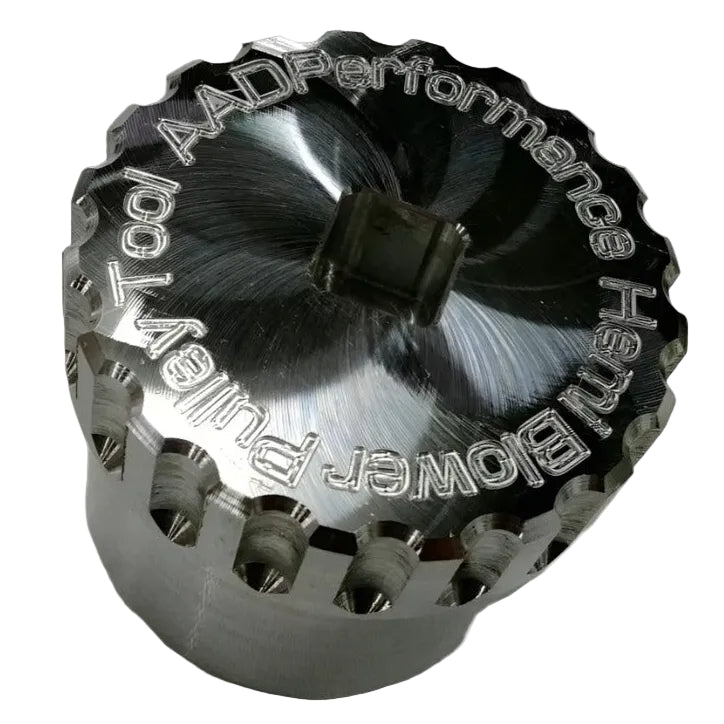
Supercharged CTS-V applications may use upper pulleys, lower pulleys, pulley hubs, idlers, tensioners, belts, supercharger cooling components, heat exchangers, coolant reservoirs, pumps, radiators, thermostats, and oil coolers. These parts should be planned as a complete system.
A pulley change can affect supercharger speed, boost, belt routing, fuel demand, charge temperature, spark requirements, and engine calibration. Select components according to the specific engine, supercharger, fuel, intended use, and complete modification package.
CTS-V Brakes and Suspension
Brake upgrades can include street or track brake pads, replacement rotors, performance rotors, brake fluid, hoses, cooling components, and complete brake kits. Confirm rotor diameter, caliper configuration, axle position, pad shape, wheel clearance, and intended operating environment.
Suspension products may include springs, coilovers, shocks, control arms, sway bars, bushings, alignment hardware, and electronic-suspension support components. Verify whether the vehicle has Magnetic Ride Control and whether replacing the factory dampers requires compatible electronics or error-canceling hardware.
Wheels, Tires, and Exterior Components
Wheel and tire selection depends on diameter, width, offset, backspacing, bolt pattern, hub bore, brake-caliper clearance, suspension position, and body clearance. Modified ride height and wider tires can change the required fitment.
Exterior upgrades may include front splitters, side skirts, spoilers, diffusers, grilles, vents, hoods, and carbon-fiber trim. Match every component to the correct CTS-V generation, body style, bumper, factory aero package, parking sensors, cameras, and mounting points.
How to Choose the Correct Cadillac CTS-V Part
- Confirm the complete model year and CTS-V generation.
- Identify sedan, coupe, or wagon body style.
- Verify LS6, LS2, LSA, or LT4 engine compatibility.
- Confirm manual or automatic transmission fitment.
- Match the complete manufacturer part number.
- Check brake, suspension, and Magnetic Ride Control configuration.
- Review all tuning and supporting-modification requirements.
- Confirm package contents and required installation hardware.
- Check emissions requirements for intake, exhaust, and engine parts.
- Test-fit exterior and composite components before permanent installation.
Frequently Asked Questions
What are the three Cadillac CTS-V generations?
The first generation covers 2004 through 2007 LS6 and LS2 sedans. The second generation uses the supercharged LSA and includes sedan, coupe, and wagon versions. The third generation is the 2016 through 2019 LT4-powered sedan.
Will CTS-V2 parts fit a CTS-V3?
Usually not. The LSA-powered second generation and LT4-powered third generation use different platforms, electronics, engines, cooling systems, transmissions, and body components.
Does changing a CTS-V supercharger pulley require tuning?
Pulley changes alter supercharger operation and can require revised calibration plus supporting fuel, ignition, belt-drive, and cooling components. Follow the requirements for the complete combination.
Do CTS-V sedan, coupe, and wagon parts interchange?
Some mechanical parts may share applications, but exhaust routing, exterior parts, chassis components, and interior accessories can differ. Confirm the listed body style.
How do I verify CTS-V brake and suspension fitment?
Confirm the generation, model year, axle position, caliper, rotor size, wheel clearance, Magnetic Ride Control equipment, and every manufacturer application note.
Shop Cadillac CTS-V Parts at Black Ops Auto Works
Browse the Cadillac CTS-V Parts and Accessories collection, compare additional air intake systems, explore performance exhaust systems, or shop the complete suspension catalog. Verify the CTS-V generation, engine, body style, transmission, and supporting requirements before ordering.
Recently Viewed Products
Featured Brands
• Black Ops Auto Works: Hoods & Carbon Fiber • Anderson Composites Carbon Fiber • ADRO Carbon Fiber • APR Performance Carbon Fiber • COBB: Turning & Performance Parts • JXB Performance Driveshafts • Legmaker (LMI) Intakes • MightyMouse Catch Cans • Rotora Performance Brakes • Seibon Carbon Fiber: Hoods, Fenders & Body Kits • Silver's NEOMAX Coilovers • Shop All Brands...Featured Cars & Trucks
• Jeep Grand Cherokee Parts & Accessories • Jeep Grand Cherokee Trackhawk Parts & Accessories • Dodge Durango Parts & Accessories • Dodge Charger Parts & Accessories • Dodge Charger SRT Hellcat Parts & Accessories • Dodge Challenger Parts & Accessories • Dodge Challenger SRT Hellcat Parts & Accessories • RAM TRX Parts & Accessories • Chevrolet Camaro Parts & Accessories • Chevrolet Corvette Parts & Accessories • Cadillac CT5 Parts & Accessories • Shop By Vehicle...Featured Categories
• Carbon Fiber Parts & Accessories • Custom Hoods & Components • Cold Air Intakes • Exterior Trim • Exterior Styling - Body Kits, Wings & Spoilers • Lowering Springs • Oil Catch Cans • Spoilers & Wings • Sway Bars • Sway Bar Endlinks • Wheels & Tires • Shop All Parts & Accessories...
Military & First Responder Discount Program
Black Ops Auto Works proudly honors active duty military, veterans, National Guard, reserves, police officers, firefighters, and EMTs with an exclusive 5% discount on all performance parts and carbon fiber upgrades. Verify instantly and start saving today.
Learn More & Apply