Shop replacement ball joints, adjustable joints and control-arm service components at Black Ops Auto Works. Compare SPC alignment solutions, Synergy and Dynatrac heavy-duty Jeep options, Fabtech and Zone service joints, and QA1 housings and studs for supported chassis builds. Choose a standard repair, a geometry adjustment or service for an existing aftermarket arm before selecting the part.
Replacement Joints for Existing Control Arms
An aftermarket upper control arm can require its own replacement joint. SPC, Fabtech, Zone and ICON-related entries should be matched to the actual installed arm and its part number, not just the vehicle model. This helps preserve the intended taper, mounting interface and articulation.
SPC publishes replacement-joint relationships for its arm families. Use that arm-to-joint reference when servicing an existing setup. A housing marking or similar-looking joint alone is not a reliable substitute for the complete service-part identification.
Adjustable and Offset Ball Joints
SPC adjustable and offset entries can provide alignment correction for their specified applications. Compare the available correction range and axle location against the alignment shop’s measurements. Choose the correction needed for the vehicle rather than assuming the largest offset is best.
The catalog includes different upper and lower positions, press-in and screw-in interfaces, and application-specific inserts. Some adjustments are built into the joint while others depend on the control-arm design. Review the complete assembly before combining parts.
Heavy-Duty Jeep and Truck Options
Synergy knurled Jeep ball-joint sets, Dynatrac heavy-duty listings and Fabtech high-travel service joints address particular axle or suspension configurations. Match the supported housing and existing components, then compare serviceability and operating-angle requirements for the build.
Package scope varies: one-side upper/lower kits and sets covering both sides are separate purchasing choices. A knurled housing is also a specific fit decision, not a universal upgrade for every bore. Have the installer assess the mounting condition before selection.
QA1 Components, Boots and Specialized Joints
QA1 studs, housings and complete joints support different service or chassis-fabrication tasks. A stud-only listing does not supply the housing. The collection also includes joint boots and specialized linkage-style components whose function differs from a wheel-location ball joint.
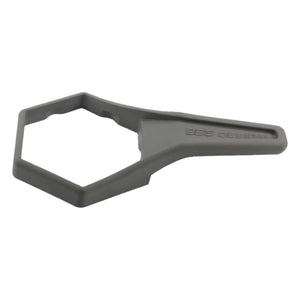
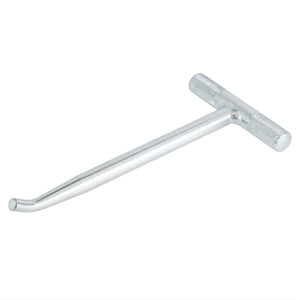
Use an inspection to establish the repair needed. Ball-joint replacement may require dedicated press adapters and application-specific procedures. Review the alignment after suspension work rather than treating a new joint as an automatic correction for every steering or tire-wear concern.
Choose Your Part
- Choose replacement service, alignment correction or a supported heavy-duty option.
- Identify the installed arm or axle and upper/lower position.
- Compare complete joints, studs, boots and one-side or both-side kits.
- Plan the required installation tools and alignment check.
Frequently Asked Questions
How do I choose a replacement joint for an SPC control arm?
Identify the installed SPC arm part number and use SPC’s current replacement-joint reference. Vehicle fitment alone may not distinguish the service joint for an aftermarket arm.
What is an adjustable ball joint used for?
It provides the specified alignment adjustment in a supported application. Choose the correction range using actual alignment measurements and the manufacturer’s installation guidance.
Does a ball-joint kit cover both sides?
Only when its contents explicitly say so. The collection includes single components, one-side upper/lower kits and sets covering both sides.
Is a QA1 stud listing a complete ball joint?
No. A stud-only product requires its specified compatible housing and related parts. Compare the full component description before ordering.
Will a heavy-duty ball joint fit any lifted truck?
No. Match the actual axle or control arm, mounting interface and suspension configuration. Heavy-duty branding does not establish universal lift compatibility.
Should alignment be checked after replacement?
Yes. Have the suspension and alignment assessed after the specified service, particularly when replacing adjustable joints or changing control-arm components.
Related Collections
Control Arms · Alignment Components