Shop ARP connecting-rod bolt kits and selected Eagle replacement hardware at Black Ops Auto Works. Compare application-specific OEM-rod kits with dimensioned general replacements and Carrillo replacement references. Choose the exact rod and fastener design, then select the approved material and installation procedure for your engine build.
Original Rods or Aftermarket Replacements
An engine-specific kit targets its stated rod arrangement. Aftermarket rods may require different bolts despite being installed in the same engine. Match rod manufacturer/part number, thread, under-head length, shank and seating geometry.
Press-fit, cap-screw and other rod designs require their own procedures. The LS/LT cracked-cap reference includes explicit application exclusions; a broad LS-family name is not enough.
8740, ARP2000, L19 and Custom Age 625+
These material families serve different approved designs and load requirements. Compare the exact rod/bolt specification with the engine builder rather than choosing material from a universal horsepower or RPM threshold.
L19 needs particular corrosion/contamination precautions under ARP guidance. A stronger material is not a substitute for correct dimensions, seating or preload, and does not make an incompatible bolt suitable.
Package Quantity and Specialty Hardware
General replacement references, two-bolt packages and the Eagle eight-piece set differ from complete engine kits. Compare required bolt quantity with the actual package before disassembly.
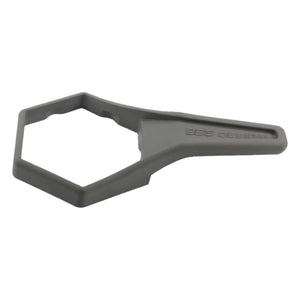
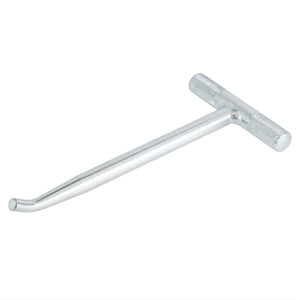
The Chevrolet small-block fuel-pump pushrod specialty reference serves a different mechanism; it is not a connecting-rod bolt kit. Keep that service item separate from engine rod-fastener selection.
Measured Assembly and Rod Inspection
Use the specified lubricant and exact tightening/stretch procedure. ARP directs customers to the rod manufacturer’s torque/stretch specification where an aftermarket rod gives a different requirement. Do not transfer a value from a similarly sized bolt.
Have the engine builder inspect rod big-end geometry and bearing clearances with the specified fasteners installed and preloaded. Follow exact resizing, reuse and permanent-stretch criteria; bolt replacement belongs in a measured assembly plan.
Choose Your Part
- Identify exact rod manufacturer, part number and bolt arrangement.
- Match thread, shank, under-head length and seat geometry.
- Choose the approved material and sufficient package quantity.
- Use exact rod/bolt lubricant, preload and machine-shop inspection guidance.
Frequently Asked Questions
Will an engine-specific kit fit any aftermarket rod in that engine?
No. Match the actual rod and its approved fastener.
Which torque/stretch value applies to an aftermarket rod?
ARP directs you to the rod manufacturer’s specified value when it differs from ARP’s general value.
Can I use factory torque with an ARP replacement?
Use the exact rod/fastener instructions and specified lubricant rather than assuming the original value applies.
Does a two-bolt package cover the whole engine?
No. Compare required quantity with the exact package.
Do L19 bolts need special handling?
Yes. Follow ARP’s corrosion, moisture and contamination precautions.
Should rod bores be checked after a bolt change?
Yes. Have the builder verify the assembled geometry and any required resizing using the specified preload procedure.
Related Collections
Connecting Rods · ARP Fasteners · Main Stud & Bolt Kits