

View vehicle applications
Fitment notes and restrictions
Description
The Radium Engineering Catch Can Kit CCV Subaru WRX VB Fluid Lock is designed for a specific crankcase ventilation or oil-separation layout. Confirm the engine, PCV and breather routing, mounting location, hose connections, and service access before ordering.
Key Features
- Includes all hoses, fittings, and brackets/hardware for an easy bolt-in installation.
- Includes Radium's Fluid Lock catch can (patent pending).
Fitment
This is a universal or configuration-specific fuel-system component. Confirm dimensions, port and thread standards, hose size, fuel compatibility, pressure range, and mating components before ordering.
Specifications
| Brand | Radium Engineering |
|---|---|
| Manufacturer Part Number | 20-0755-FL |
| Product Type | Oil Catch Cans |
| Condition | New |
What's Included
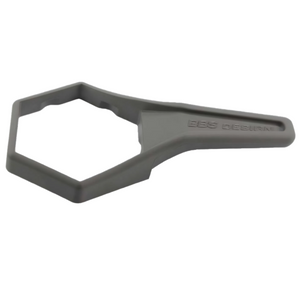
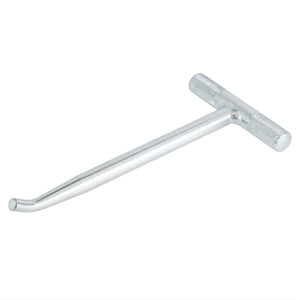
- The Radium Engineering component identified by manufacturer part number 20-0755-FL
- Only fittings, seals, brackets, wiring, or hardware specifically listed for this exact configuration
Brand Information
Radium Engineering develops fuel delivery, crankcase ventilation, fluid-control, and motorsport plumbing components. Port standards, pressure range, fuel compatibility, mounting, and vehicle fitment remain manufacturer-part-number specific.
Related Parts
Frequently Asked Questions
Does this connect to the PCV side or breather side?
That depends on the exact kit. Match the engine, mounting location, and hose routing to the stated PCV, crankcase, or breather configuration.
Can this component be used with E85 or other ethanol blends?
Fuel compatibility depends on the exact seals, element, hose, and component materials. Confirm the manufacturer specifications for every part in the system before using ethanol fuel.
Should this fuel-system part be installed professionally?
Professional installation is recommended whenever the work involves tank removal, custom plumbing, wiring, pressure adjustment, fabrication, or motorsport safety requirements.
What should be checked before the first startup?
Verify every connection, seal, fastener, hose route, electrical circuit, and pressure setting. Prime and pressure-test the complete system, then correct any leak before starting the engine.
Installation Instructions
Depressurize the fuel or fluid system, disconnect power when required, work in a ventilated area away from ignition sources, and protect open lines from contamination. Assemble every connection with the correct seal and torque method, secure plumbing and wiring away from heat and abrasion, then prime and pressure-test the complete system before operation.